Introduction
It started with a simple morning ritual that millions of us share – checking the weather forecast on my phone. For me, that meant opening the wbko weather app while sipping my coffee, trying to decide what to wear for the day ahead. This daily glance at temperatures and conditions became more than just a practical habit; it gradually shaped how I thought about my wardrobe, particularly when it came to finding pieces that could adapt to changing conditions while aligning with my growing interest in sustainable fashion. The constant dance between comfort, style, and environmental consciousness became a quiet background theme in my daily life, one that eventually led me to a particular sweatshirt that seemed to understand this balance perfectly.
Real-life Context
My mornings typically begin around 6:30 AM, with that familiar reach for the phone to check wbko weather before my feet even touch the floor. I live in a city where temperatures can shift dramatically throughout the day – cool mornings giving way to warm afternoons, then cooling again by evening. This meteorological uncertainty meant my clothing choices needed to be versatile, comfortable for extended wear, and suitable for both indoor and outdoor environments. Most days involved a mix of working from home, quick errands, maybe a walk in the park, and occasionally meeting friends for coffee. My wardrobe had to accommodate all these scenarios without requiring multiple changes, which is how I found myself increasingly drawn to well-made sweatshirts that could serve as the foundation of my daily outfits.
The search for the right sweatshirt became something of a quiet obsession. I wanted something that felt substantial without being heavy, soft against the skin without pilling after a few washes, and stylish enough that I wouldn’t feel underdressed if plans changed unexpectedly. More importantly, as someone who had become increasingly aware of fashion’s environmental impact, I wanted materials that reflected my values. This wasn’t about making a political statement so much as it was about aligning my daily choices with a broader sense of responsibility – the kind of quiet consistency that feels authentic rather than performative.
My usual shopping approach involved browsing online during lunch breaks or late evenings, often with the wbko weather app still open in another tab, cross-referencing potential purchases with the week’s forecast. I’d look at fabric compositions carefully, noting which brands prioritized organic materials or recycled content. The perfect sweatshirt needed to work for those 55-degree mornings waiting for the bus, the 68-degree afternoons in a slightly over-air-conditioned café, and everything in between. It had to be something I could wear for hours without feeling restricted or uncomfortable, yet still feel put together enough for impromptu social situations.
Observation
The first time I noticed this particular sweatshirt, it was the bandana print that caught my eye – not something I would typically gravitate toward, but there was something about the pattern that felt both nostalgic and contemporary. What held my attention longer, though, was reading about its composition: a blend of organic cotton and recycled polyester. This combination intrigued me because it suggested a thoughtful approach to materials – the softness and breathability of cotton combined with the durability and moisture-wicking properties of polyester, but sourced in ways that reduced environmental impact. The 350 GSM weight mentioned in the specifications sounded substantial enough for cooler weather without being overly bulky.
When the sweatshirt arrived, the first thing I noticed was how the fabric felt different from other sweatshirts I owned. The half-brushed jersey fleece had a softness that was immediately apparent, yet it felt sturdy – not flimsy or likely to lose its shape after washing. The bandana print, which covered both front and back, was crisp and clear without feeling stiff or printed on. I appreciated that it came in both black and cream color options, as both seemed versatile enough to pair with different bottoms in my wardrobe. The regular fit meant it skimmed my body without clinging tightly, offering ease of movement that felt appropriate for everything from typing at my desk to walking through the park.
Wearing it for the first time on a day with fluctuating temperatures, I found myself checking wbko weather less frequently throughout the day. The sweatshirt maintained a consistent comfort level as I moved between environments – not too warm when the sun came out, yet substantial enough when clouds rolled in later. The pigment-printed motifs added visual interest without feeling loud or trend-driven, and I received several compliments that day, not on the sweatshirt specifically but on looking ‘put together’ despite my otherwise casual outfit of jeans and sneakers. It was one of those rare clothing items that seemed to understand the assignment completely – functional, comfortable, and stylish in an understated way.
Over subsequent wears, I noticed how the sweatshirt integrated seamlessly into different aspects of my life. It worked equally well for lazy Sunday mornings at home as for quick grocery runs or casual Friday video calls. The fabric held up well to multiple washes without shrinking or fading significantly, and the print remained vibrant. What stood out most was how it became a go-to piece regardless of the specific plans for the day – something I could grab knowing it would work for whatever might come up, much like checking wbko weather gave me the information needed to navigate my day confidently.
Reflection
I didn’t realize at the time how significant this simple clothing choice would become in my broader thinking about consumption and sustainability. The sweatshirt’s blend of organic cotton and recycled polyester represented a middle ground I hadn’t fully appreciated before – not purely natural fibers, not purely synthetic, but a thoughtful combination that leveraged the benefits of both while mitigating their drawbacks. The organic cotton, grown without toxic pesticides, felt better against my skin and represented agricultural practices that supported soil health rather than depleting it. The recycled polyester component meant giving new life to materials that might otherwise contribute to landfill waste, all while providing the durability and functionality that makes clothing last longer.
This intersection of comfort, style, and responsibility started to influence how I approached other aspects of my wardrobe. I found myself paying more attention to fabric compositions and production methods, not as an extreme shift toward entirely sustainable fashion, but as a gradual recalibration of priorities. The sweatshirt became a tangible example of how small choices could align with broader values without sacrificing practicality or aesthetic appeal. It wasn’t about perfection but about progress – selecting items that represented steps in the right direction rather than overnight transformation.
My relationship with checking wbko weather began to feel connected to this broader mindset. Both represented a form of preparedness – understanding external conditions to make informed choices that enhanced comfort and reduced waste. Just as knowing the forecast helped me dress appropriately and avoid discomfort, choosing clothing made from sustainable materials felt like a way of preparing for a future where resource consciousness matters. The sweatshirt’s regular fit and versatile design meant it would likely remain in my rotation for years rather than seasons, another form of reducing waste through longevity.
What surprised me most was how this single garment prompted reflection beyond fashion. It became a reminder that values don’t have to be all-or-nothing propositions – that we can honor environmental concerns while still appreciating design, comfort, and practicality. The bandana print, which I initially viewed as merely decorative, came to represent this balance – a nod to personal style that didn’t overshadow the garment’s functional and ethical attributes. In a world of increasingly polarized choices, finding items that bridge these divides feels quietly revolutionary.
Conclusion
That simple morning ritual of checking wbko weather continues to shape my days, but now with an additional layer of consideration about how my clothing choices interact with the world around me. The sweatshirt remains a staple in my wardrobe, its bandana print and comfortable fit serving as daily reminders that style and sustainability can coexist without compromise. What began as a practical search for versatile clothing evolved into a more thoughtful approach to consumption – one where materials matter as much as aesthetics, and where longevity becomes part of the value equation.
The intersection of weather awareness and clothing selection now feels like a natural patnership. Just as I check temperatures and conditions to prepare for the day ahead, I consider fabric compositions and production methods to align my purchases with my values. This particular sweatshirt, with its blend of organic cotton and recycled polyester, represents a midpoint that works for real life – not perfect, but progressively better. It’s clothing that understands we live in bodies that move through changing environments, that we care about how things feel against our skin, and that we’re increasingly aware of our choices’ broader implications.
Perhaps most importantly, this experience has shifted my perspective from viewing sustainable fashion as a separate category to seeing it as integrated into everyday choices. The sweatshirt doesn’t stand out as ‘eco-friendly’ in a conspicuous way; it simply works well as clothing while quietly embodying better practices. This feels like the most authentic approach – not preaching about values but living them through considered selections that enhance daily life. The bandana print has faded slightly after many washes, but the garment’s essential qualities remain, much like the daily weather check remains essential despite being routine. Both have become woven into the fabric of my days, reminders that small, consistent choices create the patterns of a life lived with intention.
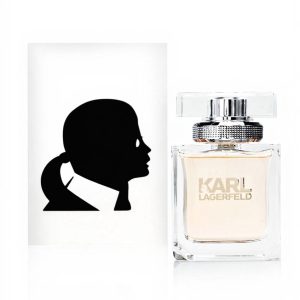 LAGERFELD Karl Lagerfeld Eau de Parfum Damen 85 ml