Introduction
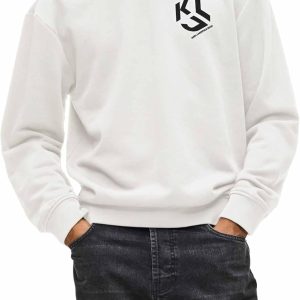
When people hear about my background with Siena basketball, they often assume my clothing choices revolve solely around athletic wear or performance gear. While those certainly have their place in my wardrobe, I’ve found myself increasingly drawn to pieces that bridge the gap between comfort, style, and environmental responsibility. It was during one of these contemplative moments about balancing my active lifestyle with sustainable choices that I first noticed the KARL LAGERFELD JEANS Herren Sweatshirt with its distinctive monogram pattern. The combination of organic cotton and recycled polyester immediately caught my attention, not just as another fashion item, but as something that might align with the values I’ve been trying to incorporate into my daily life beyond the basketball court.
Real-life Context
My days typically involve a mix of activities that require different levels of formality and comfort. There are morning routines that might include light exercise or walking around the neighborhood, followed by hours spent working from home or attending meetings, and then evenings that could involve anything from casual dinners with friends to running errands around town. I needed clothing that could transition seamlessly between these different scenarios without requiring multiple changes throughout the day. The regular fit of this particular sweatshirt seemed promising for such a varied schedule. Available in sizes from XS to XXL and colors including green, black, white, and beige, it appeared to offer the versatility my lifestyle demands. The fact that it’s responsibly produced in Turkey added another layer of appeal, suggesting attention to craftsmanship that often gets overlooked in fast fashion.
What stood out initially was the material composition—70% organic cotton blended with 30% recycled polyester. Having worn various sweatshirts over the years, I’ve learned that fabric blends can make a significant difference in how a garment feels throughout the day. Organic cotton typically offers better breathability and softness against the skin, while recycled polyester adds durability without the environmental impact of virgin synthetic materials. This combination seemed thoughtfully designed for someone who values both comfort and sustainability. The model number B1M20050 indicated it was part of a specific collection, though I was more interested in how it would perform in real-world use rather than its lace in a product lineup.
Observation
The first thing I noticed when wearing the sweatshirt was how the regular fit provided just the right balance between comfort and structure. It wasn’t baggy like some loungewear tends to be, nor was it restrictive like performance wear can sometimes feel. The cut allowed for natural movement whether I was reaching for something on a high shelf or simply moving between tasks throughout the day. The monogram design, while distinctive, wasn’t overpowering—it added a subtle touch of style without screaming for attention. This proved particularly useful during video calls where I wanted to appear put-together without looking like I was trying too hard.
Throughout several weeks of wear, the sweatshirt maintained its shape and color remarkably well. I found myself reaching for it consistently on days when my schedule involved multiple transitions between different environments. The light weight of the fabric made it comfortable to wear for extended periods, whether I was sitting at my desk or moving around the city. The breathability became apparent during warmer afternoons when some sweatshirts might feel stifling—this one remained comfortable without causing overheating. I appreciated how the material felt against my skin, especially during longer wearing sessions where comfort becomes increasingly important.
What surprised me was how well it worked across different scenarios. During weekend outings, it provided just enough style to feel appropriate for casual social gatherings while remaining comfortable enough for extended wear. For everyday tasks like grocery shopping or running errands, it offered practical comfort without sacrificing appearance. The versatility mentioned in the product description proved accurate in practice—it genuinely worked for everything from relaxed work-from-home days to urban explorations and social occasions. The different color options meant it could coordinate easily with various bottoms in my wardrobe, from jeans to more casual trousers.
Reflection
I didn’t realize at the time how significant the choice between conventional and sustainable materials would become in my overall approach to clothing. Wearing something made from organic cotton and recycled polyester made me more conscious of the environmental impact of my wardrobe choices in a way that reading about sustainability never quite achieved. There’s something about experiencing the quality and comfort of responsibly made clothing that transforms abstract environmental concerns into tangible daily practices. The sweatshirt became more than just another item in my closet—it represented a shift toward more mindful consumption without compromising on the practical aspects I need from my clothing.
This experience made me reconsider what I truly value in the items I wear regularly. Beyond just appearance and immediate comfort, factors like longevity, material sourcing, and production ethics started carrying more weight in my decision-making process. The sweatshirt’s durable construction suggested it would remain in my rotation for seasons to come, reducing the need for frequent replacements. This alignment between personal comfort and environmental responsibility created a satisfying synergy that I hadn’t fully appreciated before trying this particular garment.
The regular fit proved more thoughtful than I initially recognized. In a market often dominated by either overly tight or excessively loose cuts, finding something that genuinely works for various body types and activities requires careful design consideration. The fact that this sweatshirt managed to feel both comfortable and appropriately fitted across different scenarios spoke to the attention given to its construction. It made me appreciate how good design isn’t just about aesthetics but about understanding how people actually live and move through their days.
What struck me most was how unremarkable the sustainability aspects felt in daily use—and I mean that as a compliment. The organic cotton and recycled polyester performed their functions so seamlessly that I rarely thought about them unless specifically reflecting on the garment’s qualities. This normalization of sustainable materials represents progress in fashion—when environmental responsibility becomes an integrated, almost invisible aspect of quality clothing rather than a compromise or marketing talking point. The sweatshirt demonstrated that sustainability and performance needn’t exist in separate categories.
Conclusion
Living with this sweatshirt over several weeks revealed nuances I wouldn’t have anticipated from simply reading its specifications. The blend of organic cotton and recycled polyester created a wearing experience that balanced comfort, durability, and environmental consciousness in a way that felt natural rather than forced. The regular fit accommodated my varied daily activities without requiring constant adjustments or changes, while the monogram design added just enough personality without dominating the garment’s overall aesthetic. For someone with an active lifestyle that includes everything from work commitments to casual socializing, it provided reliable performance across different contexts.
The most lasting impression wasn’t about any single feature but about how all the elements worked together to create a garment that felt both thoughtfully designed and practically useful. The sustainable materials performed their function so effectively that they became background elements rather than standout features—exactly how responsible manufacturing should integrate into everyday products. The sweatshirt demonstrated that clothing can serve multiple purposes while aligning with broader values about consumption and environmental impact. It became a regular part of my wardrobe not because it represented any particular philosophy, but because it worked well for how I actually live day to day.
What began as simple curiosity about a sweatshirt with an interesting material blend evolved into a broader appreciation for how clothing can balance practical needs with environmental considerations. The experience reinforced that sustainable choices needn’t involve compromises in comfort, style, or functionality. Instead, they can enhance daily wearing experiences while supporting more responsible consumption patterns. For anyone navigating similar considerations about balancing lifestyle needs with environmental values, garments like this offer a practical starting point that doesn’t require sacrificing the qualities that make clothing enjoyable to wear.